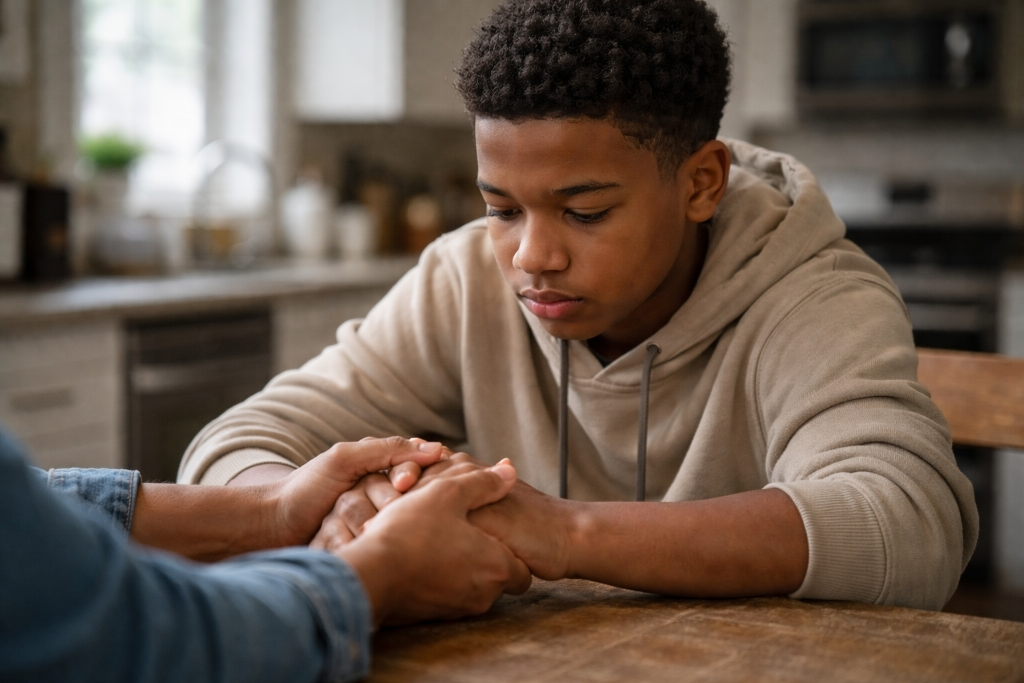

Safe Adult
Every child deserves at least one courageous adult in their corner. Being a Safe Adult is not about being perfect — it's about showing up, speaking up, and standing firm.
Your Role
How to Be a Safe Adult
A Safe Adult is someone a child can turn to without fear of judgment, disbelief, or dismissal. These qualities can be learned — and practiced every day.
Listen Without Judgment
Create space where a child feels truly heard. Don't minimize, dismiss, or immediately try to fix — just listen with full attention and an open heart.
Be Consistent & Reliable
Show up — again and again. Children who experience chaos at home need at least one adult who is predictable, steady, and trustworthy.
Use Age-Appropriate Language
Talk openly about body safety, boundaries, and emotions in ways a child can understand. Normalize these conversations so children feel safe bringing things to you.
Believe Them
If a child discloses abuse, believe them. Children rarely lie about abuse. Your reaction in that moment will determine whether they ever speak up again.
Foster Independence
Help children understand they have rights over their own body and voice. Empower them to say no, ask for help, and trust their instincts.
Respect Confidentiality — Within Limits
Be honest: explain that you will always keep them safe, and that if they are in danger, you will need to involve other trusted adults to help.
Take Action
If You Witness Abuse
Witnessing abuse can be shocking and frightening. Knowing what to do ahead of time gives you the courage to act when it matters most.
Stay Calm
Your calm response models safety. Take a breath before reacting so you can be fully present for the child.
Ensure Immediate Safety
If a child is in immediate danger, remove them from the situation if you safely can, and call 911.
Do Not Confront the Abuser
Confronting the abuser directly can escalate danger for the child. Focus on the child's safety first.
Report to Authorities
In most states, witnessing or having reasonable suspicion of child abuse makes you a mandated reporter. Call your local child protective services or 1-800-422-4453.
Document What You Saw
Write down specific details — what you witnessed, when, where, and who was present — as soon as possible while it's fresh.
Follow Up
Check in with the child afterward. Let them know they are safe, believed, and that adults are working to help.
Responding Well
When a Child Discloses Abuse
What you say — and don't say — in that moment can change the trajectory of a child's life. Here's what helps.
Stay calm and thank them for telling you.
Say "I believe you" and "This is not your fault."
Ask open-ended questions: "Can you tell me more about that?"
Report to the appropriate authorities promptly.
Do NOT promise to keep it a secret.
Do NOT ask leading questions or suggest answers.
Do NOT show shock, disgust, or disbelief.
Do NOT investigate on your own — leave that to professionals.
Know the Signs
Warning Signs & Common Questions
Recognizing the signs of abuse is one of the most important skills a Safe Adult can have.
A Call to Action
The Courage It Takes
Being a Safe Adult takes courage. It means speaking up when it's uncomfortable, asking the hard questions, and putting a child's wellbeing above social awkwardness or fear.
It means not looking the other way. It means being the person who says: "I see you, I believe you, and I am here."
Children don't need perfect adults. They need present ones — adults who are willing to be brave on their behalf.
One safe adult can change a child's entire trajectory.
Courage is not the absence of fear — it's acting anyway.
Silence protects abusers. Speaking up protects children.
You don't have to have all the answers — just be willing to listen.
Be the Adult They Need
If you suspect a child is being abused, don't wait. Make the call.